 Nichenorth
Surprising Realities About Laser Cutter Fume Extractors You Didn’t Expect
Introduction — a shop floor story, some numbers, and a question
I was on a morning job run when I saw old Tom coughing by his table saw, wiping his mouth with the back of his hand like it was nothing. The smell stuck to my shirt all day. Around here, folks use a basic laser cutter fume extractor for a lot of small jobs, and they reckon it does the trick. Studies I’ve read say fine particulates and VOCs from cutting plastics and coated metals can spike indoor air by tens to hundreds of times above safe levels — yessir, that kind of jump. So I gotta ask: are the devices we trust actually keeping people safe, or are we counting on little more than hope and duct tape? (I mean that — and I’ve seen it.)
Think about a one-person shop where the laser runs for hours. The extractor pulls air, but dust and fumes still drift. Workers rub eyes. Machines get sticky. We shrug and carry on. I’ve been through enough shops to know this scene well. What follows is my take on why old answers fail, what folks quietly put up with, and where better fixes might come from. Now let’s dig in — and don’t worry, I’ll keep it plain and honest.
Why traditional fixes fall short and the quiet pains they hide
What’s the real snag?
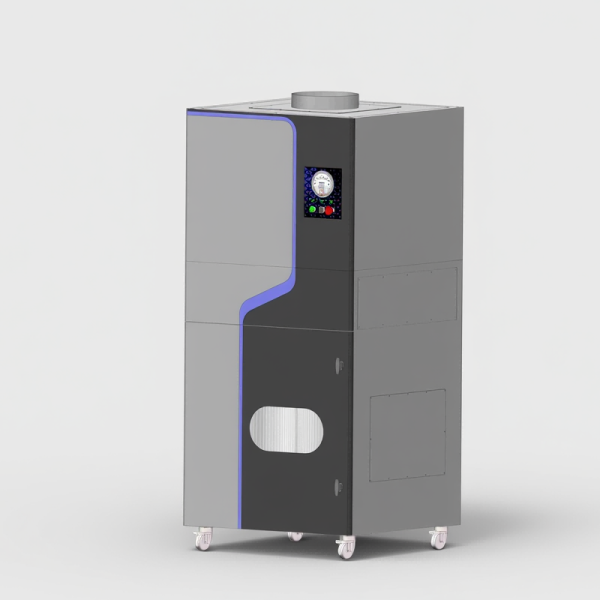
When you buy an industrial laser cutter fume extractor, you expect clear air. I thought that, too. But here’s the blunt truth: lots of units claim high filtration, yet their design and maintenance needs get ignored. Old units rely on a single-stage HEPA filter or a thin activated carbon pad. That might cut visible smoke, but ultrafine particulates and certain VOCs slip right through. Filtration efficiency on paper doesn’t match real life if airflow rate, duct routing, or filter media aren't right. I’ve watched filters cake up and blow past their ratings because someone didn’t swap them on time. Look, it’s simpler than you think — bad upkeep kills performance.
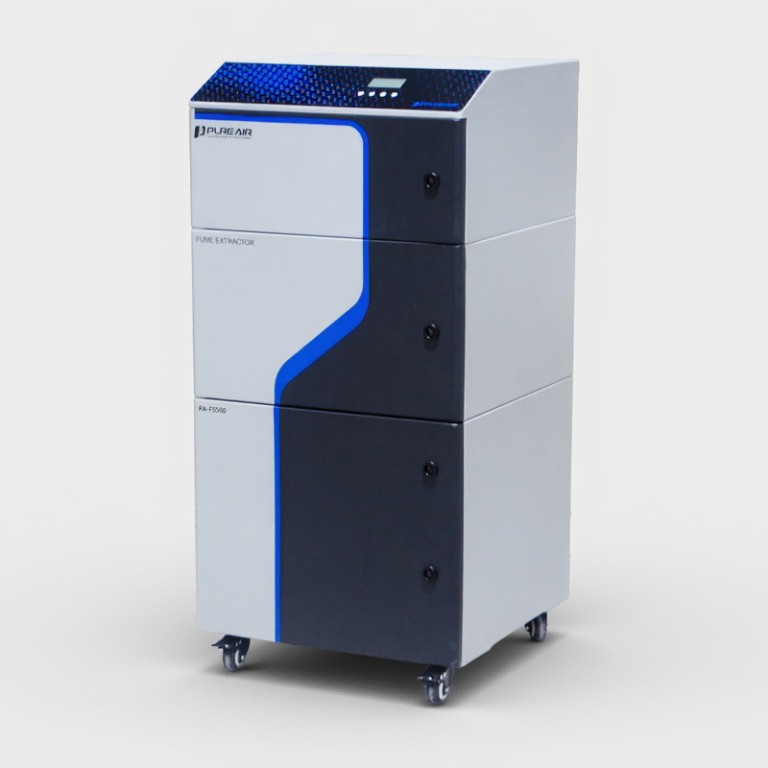 There’s also hidden user pain you won’t see in a brochure. Noise levels drive operators to prop fans down or block vents. Extraction hoses that are too long or kinked cut suction. Power converters and poor motor control can make fans pulpy and unreliable. Workers learn to tolerate headaches, throat irritation, and chronic cough — and they won’t always complain. We accept those small daily harms until someone gets sick. That’s why I push for honest tests — real airflow checks, smoke-trace runs, and filter loading logs — not just spec sheets. — funny how that works, right?
What’s next — practical outlook and real-world steps forward
What’s Next?
I’ve started watching shops trial smarter setups. A modern industrial laser cutter fume extractor can combine staged filtration (pre-filter, HEPA, activated carbon) with sensors that read particulate counts and VOC levels. Add simple IoT or edge computing nodes and you can get live alerts when a filter’s loaded or airflow dips. I’ve seen a shop install a sensor that cut filter swaps from monthly to on-demand — saved money and kept the air cleaner. We need to think in systems: filter media, extraction hose routing, fan control, and placement of the fume hood all matter.
Looking ahead, I expect more shops to adopt predictive maintenance and smart controls. That means better lifetime for filter media and steadier filtration efficiency — less surprise downtime, fewer headaches for folks. If you’re picking gear, weigh these three metrics: actual airflow (CFM at the hood), validated filtration efficiency across particle sizes, and sensor/monitoring capability. Those three tell you more than a flashy sticker. I like to test gear myself before I trust it. If you want to do the same, measure, log, and ask hard questions. In my experience, straightforward checks beat polished ads every time.
So yeah — we’ve got problems, but we’ve also got options. If you want gear and a partner who’ll walk that road with you, check out PURE-AIR. I’ve seen their setups in real shops, and they handle the gritty bits we all hate to talk about.
→More from the desk
All reports Real Estate
Navigating Real Estate: Smart Strategies for buyers, sellers, and investors in a fluctuating housing market
 Ecommerce
Strategi Ecommerce Arena Online: Akses Terbuka, Prioritas Anggota, dan Pengalaman Pengiriman yang Handal
 Home
Home