Nichenorth
Smart Garden Strategies: Practical Home Gardening and Interior Harmony
Practical tips to blend home improvement, interior styling, and thriving gardens for a balanced living space.
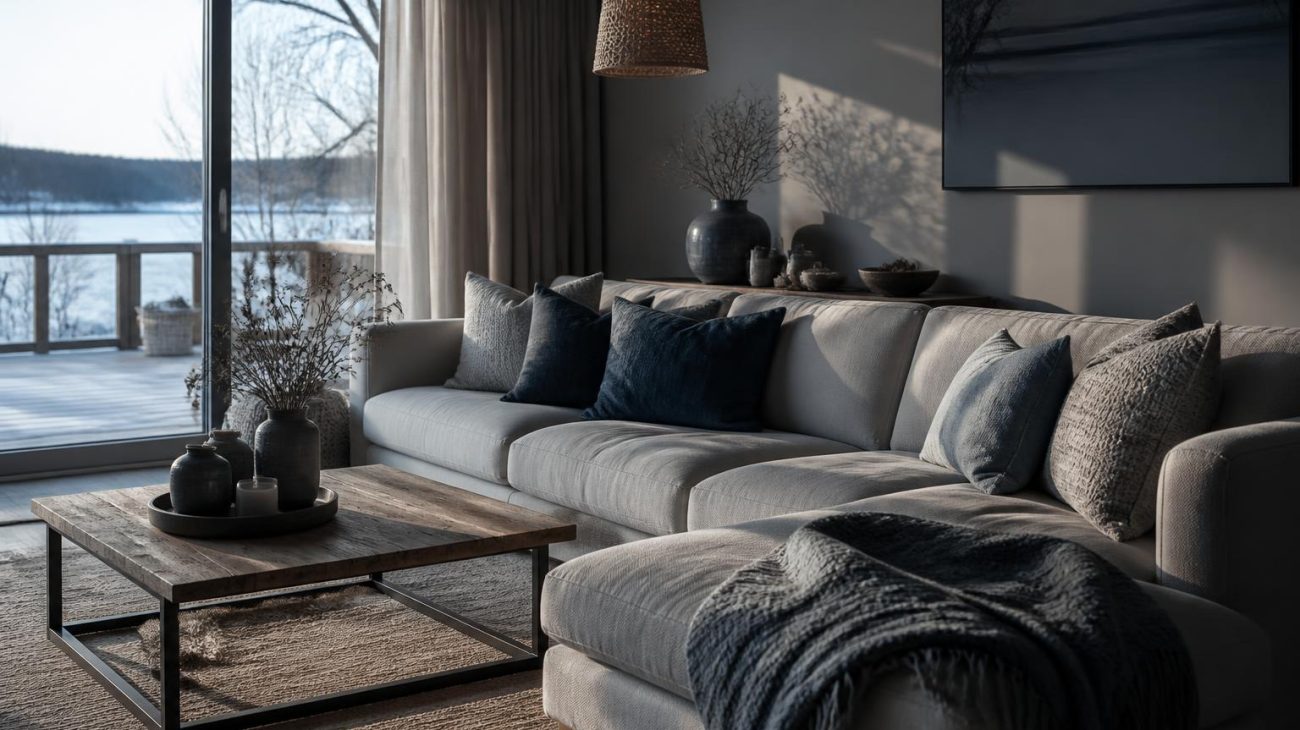
Understanding the Basics of a Living Garden System
A well-designed home garden begins with clear goals that align with your daily routine and available space. Consider sunlight patterns, seasonal weather, and your willingness to maintain plants; this helps shape a practical plan that blends gardening with interior life. When you start thinking in terms of zones—sun, shade, and moisture—you can select a mix of edibles and ornamentals that thrive together. For many households, integrating a small compost area and a rain barrel sets a sustainable foundation for ongoing home improvement and decor coherence. precision agriculture systems can inspire scalable ideas for monitoring soil moisture and nutrient needs across beds and containers, even on balconies.
As you map out beds, consider edge treatments that double as decor, such as curved paths, revegetated borders, or vertical panels that separate spaces while keeping sightlines open. This approach merges interior sensibilities with outdoor function, supporting a calm, cohesive atmosphere inside and out. Explore compact fruiting varieties, herbs, and flowering perennials that require similar care, enabling you to perform maintenance in a single, focused routine rather than fragmented sessions. A practical layout reduces clutter and supports a refined home improvement aesthetic.
Choosing Plants That Suit Both Interiors and Exteriors
Successful plant selection hinges on hard data: light exposure, soil quality, and climate suitability. Start with a sunny herb corner that doubles as a kitchen accessory and a design element for your living space view. Choose compact cultivars that stay within their containers and don’t overwhelm walkways, ensuring accessibility and safety in daily use. Pairing textures—glossy foliage with matte ceramic pots—adds depth to rooms while keeping the garden visually aligned with indoor decor themes.
For interior-minded gardeners, consider plants that translate well indoors and outdoors, such as herbs that can be clipped for meals or dried for decor. Low-maintenance options reduce effort while delivering high impact, especially when you use consistent container styles and color palettes. Regularly rotate plant placements to maintain even growth and to prevent the feel of clutter; this keeps your space feeling intentional and serene, echoing a curated home improvement vibe.
Watering Strategies That Save Time and Resources
Efficient watering starts with a schedule tied to plant needs and rainfall patterns. Install a simple drip irrigation system or soaker hoses to minimize evaporation and waste, adjusting for seasonal shifts. Group thirsty plants together and separate drought-tolerant varieties, which makes maintenance simpler and supports a cohesive water management plan. A mulch layer under plantings reduces weed pressure and moderates soil temperature, contributing to steadier growth and less daily fuss.
Incorporate a rain gauge and a timer to automate routine watering during peak heat, freeing time for interior tasks or gardening decor projects. Document moisture levels weekly to fine-tune irrigation and avoid overwatering that can lead to root rot or algae growth on surfaces. With thoughtful watering, you preserve soil structure, promote healthier roots, and maintain an appealing, tidy garden that complements your interior spaces.
Soil Health as the Foundation of Your Garden and Home
Healthy soil is a living system that supports robust growth for edible crops and ornamental plants alike. Start with a soil test to determine pH and nutrient levels, then amend thoughtfully with compost, well-rotted manure, or organic matter to improve structure. Layering organic mulch helps retain moisture and suppress weeds, which reduces maintenance time while stabilizing the garden’s overall appearance—an important consideration for home improvement projects that blend indoors and outdoors.
Cultivating soil biology through diverse plantings invites beneficial insects and natural pest control, aligning with sustainable decor choices such as stone paths and planting beds visible from windows. Choosing native or well-adapted species lowers resource demands and supports easier upkeep, ensuring your garden remains vibrant without demanding constant intervention or costly interventions. This balance reinforces a calm, cohesive living environment.
Container Gardening for Small Spaces and Flexible Decor
Container gardening offers superior adaptability for apartments, patios, or entryways that double as seasonal green spaces. Select pots with drainage, fill with high-quality potting mix, and use trellises or barriers to guide vertical growth for a layered look. Colorful containers in a consistent palette create a cohesive interior-to-exterior transition, making the outdoors feel like an extension of your decor rather than a separate area.
Container choices should reflect both practical needs and aesthetic goals: consider self-watering designs for busy weeks and durable materials that withstand weather changes while complementing your interior style. Regularly refresh plant combinations to maintain payoff and visual interest, turning even small balconies into curated showcases that resonate with your home improvement ambitions.
Seasonal Care Routines That Minimize Stress
Seasonal care revolves around anticipating plant cycles and adjusting tasks accordingly. Create a simple calendar noting pruning windows, fertilization, and pest checks; this helps you stay on track without feeling overwhelmed. A brisk monthly walk-through to remove dead material and lightly tidy mixed borders keeps the garden looking intentional and well-kept, echoing a tidy home interior. The result is consistent energy in both spaces, reducing anxiety about neglected zones.
Adopt a “one-bite-at-a-time” mindset for seasonal tweaks—small changes like rotating planters, updating decor accents, or adding a seasonal centerpiece can refresh your space without large overhauls. By keeping routines manageable, you preserve the garden’s vitality and maintain a steady, inviting atmosphere that supports ongoing home improvement and interior harmony.
Practical Texture and Decorative Touches
- Decorative stakes and trellises that blend with outdoor furniture
- Matching plant stands and containers for a unified look
- Seasonal textiles like cushions or throws that mirror garden colors
Closing Thoughts: Creating a Seamless Home-Garden Experience
When interior design and gardening feel like a single workflow, daily life becomes more enjoyable and efficient. Focus on consistency—repeatable pot shapes, shared color families, and aligned maintenance routines—to keep spaces cohesive. A well-planned approach reduces clutter and supports a calmer home environment, where decor and greenery reinforce each other rather than competing for attention.
Ultimately, the best setups balance function with beauty, allowing you to harvest fresh produce, enjoy vibrant blooms, and relish a tranquil interior that reflects your personal taste. By integrating water-smart systems, soil health practices, and mindful plant selection, your home and garden grow together—creating a living space you’re proud to call your own.