 Nichenorth
3 Practical Insights When Selecting a Red Light Therapy Manufacturer: A Comparative View

Introduction
Have you ever stood in a clinic and wondered why two red light devices that look nearly identical perform so differently? I see that question a lot—especially from clinicians and product teams trying to scale production. As we work with ops teams and engineers, we find the choice of a red light therapy manufacturer is more about systems than one-off parts. (Metrics matter: one buyer noted a 27% drop in treatment variability after switching suppliers.) So what core factors should guide a decision that affects LEDs, power design, and thermal reliability across hundreds of units?
I write from the trenches: I've coordinated prototyping sprints, worked through supplier audits, and logged late-night firmware tweaks with QA teams. In a DevOps style—collaborative, iterative, automation-focused—I want to map the practical trade-offs you’ll face. We’ll look at concrete signals: component sourcing, test automation, and supply-chain resilience. Next, I’ll dig into where common solutions break down and what hidden pains you might be missing.
Where Traditional Solutions Fail — Hidden Pain Points
red light therapy bed manufacture often gets sold like a commodity: panels, housings, and a promise. But I’ve seen the same playbook lead to flaky batches. The problems aren’t glamorous. They’re about inconsistent LED binning, under-specified power converters, and weak thermal management that shortens diode life. Those are engineering headaches that ripple into customer complaints and costly recalls. Look, it’s simpler than you think—start by testing irradiance across every batch, not a sample.
Technically speaking, suppliers may skimp on test automation, leaving manual checks that miss drift in irradiance or wavelength spread. When I audit a line, I look for automated burn‑in rigs, spectral measurement logs, and clear calibration records. If those are missing, expect product variance. Another hidden pain: firmware and control edge cases. Poorly designed PWM or current-control can create hotspots and thermal throttling—funny how that works, right? Those faults show up later as warranty claims, and they’re expensive to fix.
What goes wrong in manufacturing?
Common failures: LED bin mismatch, inadequate heat sinks, and weak EMC shielding. Add supply-chain jitter (long lead times), and what seemed like a minor design choice becomes a production bottleneck.
New Principles to Choose Better — A Forward Look
What if we focused on principles instead of features? I’m proposing we apply a few engineering-first rules when evaluating any red light therapy bed manufacture. First: design for testability. That means built-in sensors, accessible optical ports, and test hooks in firmware so automated rigs can validate each unit’s irradiance, wavelength, and thermal profile. Second: modular power architecture—use quality power converters and redundant pathways so a single component failure doesn’t blind the whole module. Third: clear supply-chain telemetry so you can forecast part shortages, not react to them. These are system-level moves, not just spec swaps.
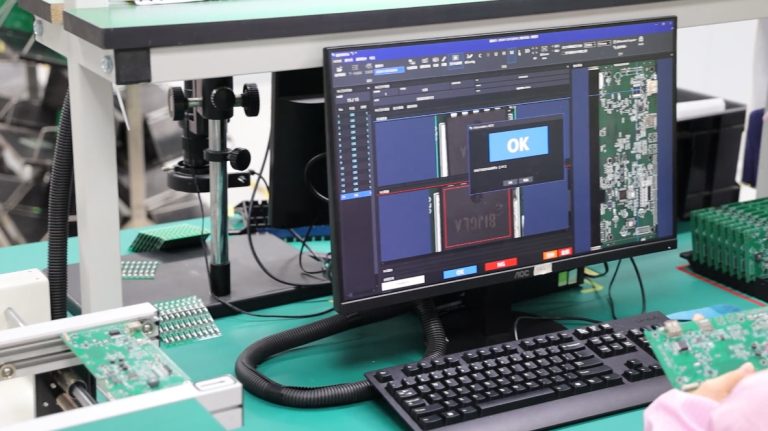 In practice, I’ve seen teams reduce field failures by introducing inline spectral scanners and simple edge-compute nodes that log run-time metrics. (Yes—edge computing nodes in therapy beds sound fancy, but they give you real-time health data.) Implementing these principles takes discipline. It needs collaboration across hardware, firmware, and manufacturing operations. But the payoff: predictable product performance, fewer returns, and faster iteration—resulting in better patient outcomes and happier clinicians.
What's Next?
To decide wisely, I recommend three evaluation metrics you can use right away: 1) Production test coverage—percent of units with full spectral and irradiance verification; 2) Thermal derating documentation—how performance shifts at elevated temps; 3) Supply-chain traceability—ability to trace critical LEDs and power converters back to lot level. Measure those, and you’ll see which manufacturers treat reliability as an architecture, not a checkbox.
I’ll be honest: choosing a partner is part technical audit, part trusting your instincts. Weigh the data, but also talk to the engineers on the line. They’ll tell you more than glossy brochures. For teams I work with, those conversations often tip the scale toward a supplier who understands testing and automation. If you want a dependable partner who balances design with manufacturability, consider exploring options like Magique Power.
→More from the desk
All reports Real Estate
Navigating Real Estate: Smart Strategies for buyers, sellers, and investors in a fluctuating housing market
 Ecommerce
Strategi Ecommerce Arena Online: Akses Terbuka, Prioritas Anggota, dan Pengalaman Pengiriman yang Handal
 Home
Home